Every few weeks someone asks me a version of the same question. Should my website be on Wix, on Squarespace, on Webflow, or is it time for this AI thing everyone keeps talking about? I build websites for a living and I think about this more than is probably healthy, so here is my honest answer, starting with the part that usually surprises people.
Completely analog
The more AI grows, the more I feel the pull in the other direction. I meditate, I go to cacao ceremonies and ecstatic dances, and on most days the best thing I do has nothing to do with a screen.
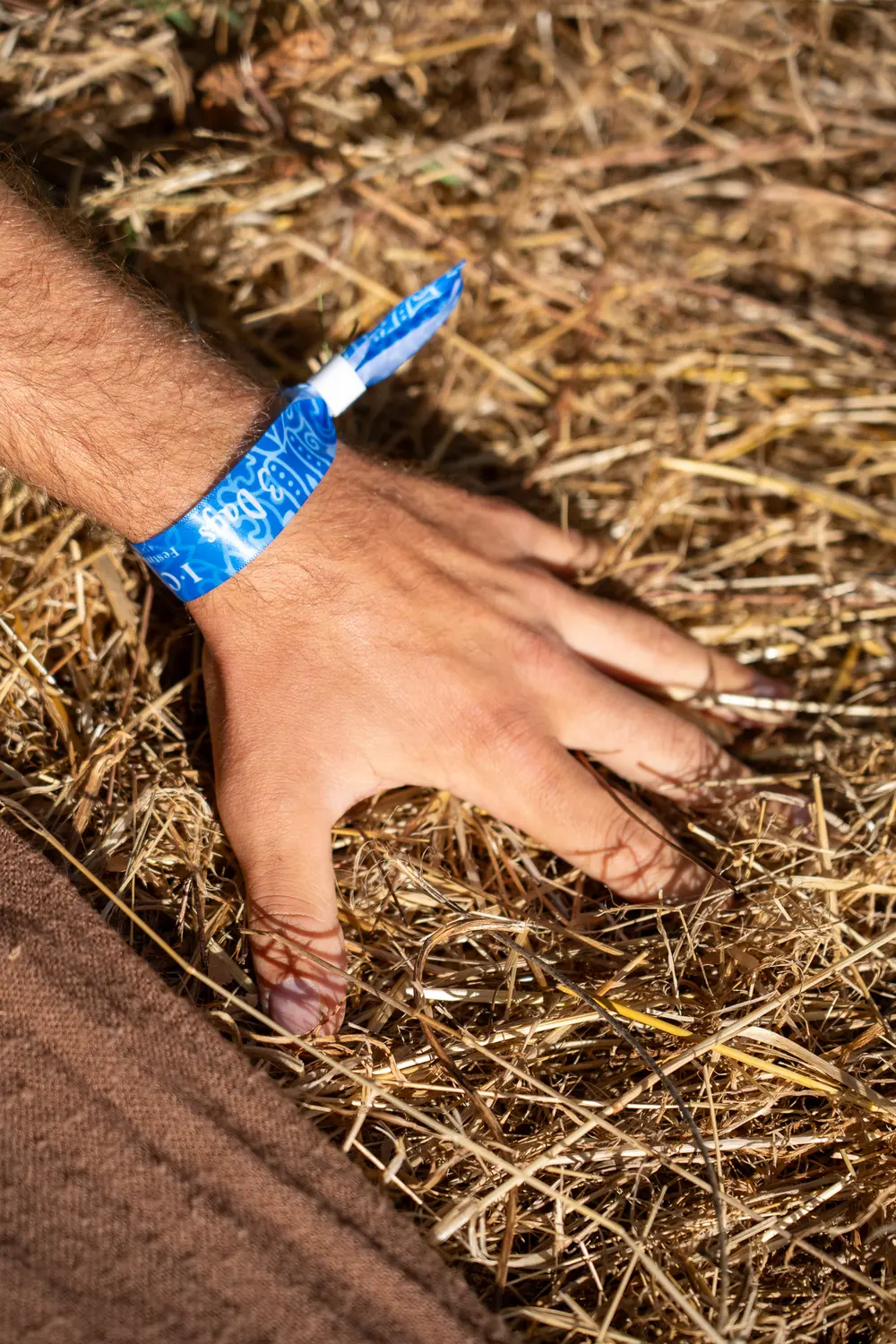
I think the more the machines can do, the greater the human urge to connect with the earth and with real things, the ones you can touch and share with someone in the same room. If somebody decides to leave all of this behind, buy a piece of land, grow their own vegetables and do yoga every morning, I understand them completely, and a small part of me envies them.
Your people feel this too. They come to you for something that happens in a body, in a room, in a circle, so your website is never the work itself. It is the door to it, and its whole job is to let the right people walk through it calmly.
We cannot control how the tools will change. We can control our taste, and how true we stay to ourselves.
What your website is made of
A website is a little like a house. The domain is the address, the platform is the structure, and the design is the paint and the furniture.
Wix, Squarespace and Webflow work like a furnished flat you rent. Everything is there on the first day and someone looks after the building for you, and in exchange you pay rent every month, for as long as you live there, with the price going up whenever they decide it goes up.
These days I build the other way, and I put each site together like a bento box: a small compartment for each thing the site needs, each one the best at its job, and most of them free. I explained the whole box, compartment by compartment, in the post about the client I told not to redesign.
So which one is right for you?
It depends much less on the tool than on your day to day. These are the three situations I see most often.
Where AI actually helps
AI changed my work a lot. What used to take me a whole day by hand now takes an hour, and that time goes back into the part that matters: understanding your world, finding your words with you, and thinking about how each page should feel.
On its own, though, AI makes average websites, because it learned from the average of everything that already exists. You can usually spot a site made with AI in a few seconds, especially when the person giving the instructions has never studied design.
The tool is the same for everyone. What changes the result is the person directing it: their taste, what they know about type, colour and space, and the years they spent learning what works and what will cause problems later.
Anyone can make a website in an afternoon now. Making one that feels like your work still takes someone who listened to you first.
In the end
Webflow, Framer, AI. In a few months the names will be different, and in a few years some of them will be gone. What stays is what you put into the work: your taste, your intuition, how well you know your people, and the courage to sound like yourself.
I don't know where all of this is going, and honestly nobody does. We are all walking on a path of uncertainty, and the only choice we have is to keep walking, with our feet on the ground and our attention on what is real.
A first version of this post was written on LinkedIn, for designers and developers. This one is for you.